Pest guide: ants
AntControl.
One ant on the counter is never just one ant. Somewhere nearby there is a colony sending scouts, and spraying the ones you see does not reach it. We find where they are coming from and take care of the whole colony.
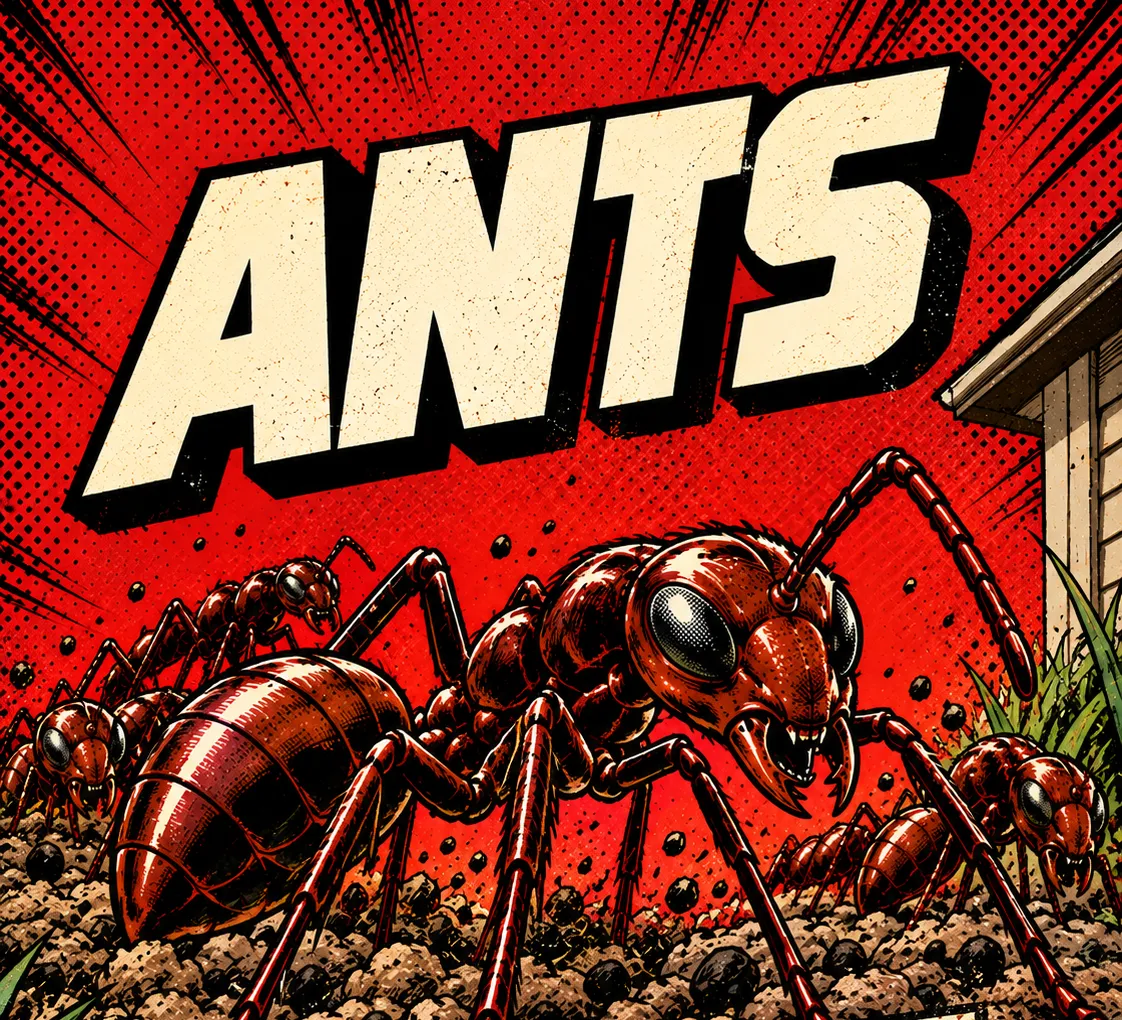
Know your enemy
The ants you'll seeOut West.
Argentine ants
Tiny, dull brown and the most common ant in California homes. Colonies link up into huge "supercolonies," which is why the trails seem endless.
Odorous house ants
Small, brown to black, and smell a bit like rotten coconut when squished. They love moisture and show up in kitchens and bathrooms.
Carpenter ants
The big black (or black and red) ones. They do not eat wood, but they tunnel into wood that is already damp or rotting, so they often point to a moisture problem.
Pavement ants
Small and dark, nesting under sidewalks and slabs and leaving little piles of sand in the cracks. The most common house ant in Utah.
Why they move in
What brings themInside.
Ants come inside for food, water and shelter. Crumbs, pet food, sticky spills and leaky pipes are an open invitation, and they get in through foundation cracks, gaps under doors and windows, and along pipes and wires. In California, Argentine ants invade when the weather turns hot and dry, after rain floods their shallow nests, and in winter, so with our mild weather they can show up any month of the year.
Any month in mild weather
The Redwood way
How we handleAnts.
Identify the ant
Different ants need different treatments, so we start by figuring out which one you have and following the trails back to where they are coming from.
Bait the colony
Baits are the most effective tool for ants. Workers carry the bait home and share it, which reaches the queens and the nest instead of just the ants you see.
Targeted outside treatment
We treat the cracks, gaps and entry points around the outside of your home, following California’s rules that keep treatments out of storm drains and waterways.
Close the doors they use
We point out the gaps and moisture problems letting them in, and regular visits keep new colonies from moving in next season.
Our promise: if they come back between scheduled visits, so do we, at no extra charge.
Get a free quoteYour part
What you can doBetween visits.
- Wipe up crumbs and sticky spills, and keep food in sealed containers
- Do not leave pet food out all day
- Fix dripping faucets and leaky pipes
- Trim shrubs and branches so they do not touch the house
- Pull mulch back a few inches from the foundation
- Do not spray ant trails: it scatters them and stops baits from working
Small habits. Fewer bad guys.
Straight answers
Ant questionsWe get a lot.
Why do the ants keep coming back after I spray?
Sprays only kill the ants out foraging. The queens and the rest of the colony are safe in the nest, so new workers keep coming. Baits that workers carry home are what actually get rid of a colony, and spraying the trail can stop the bait from working.
Why do ants show up after it rains?
Argentine ants build shallow nests, and rain floods them. The whole colony moves somewhere dry, and your kitchen is a great option. Hot, dry weather sends them looking for water the same way.
Are those flying ants actually termites?
Often they are just ants swarming. If you are not sure, take a photo or save one, tell us when you call, and we will identify them at the inspection.
Do ants bite or sting?
Argentine ants and most house ants do not sting. Red imported fire ants do, and they are found in parts of Southern California. If you suspect fire ants, keep kids and pets away and call us; they are also reported to the county agricultural commissioner.
Know your enemy
Meet the restOf the gang.
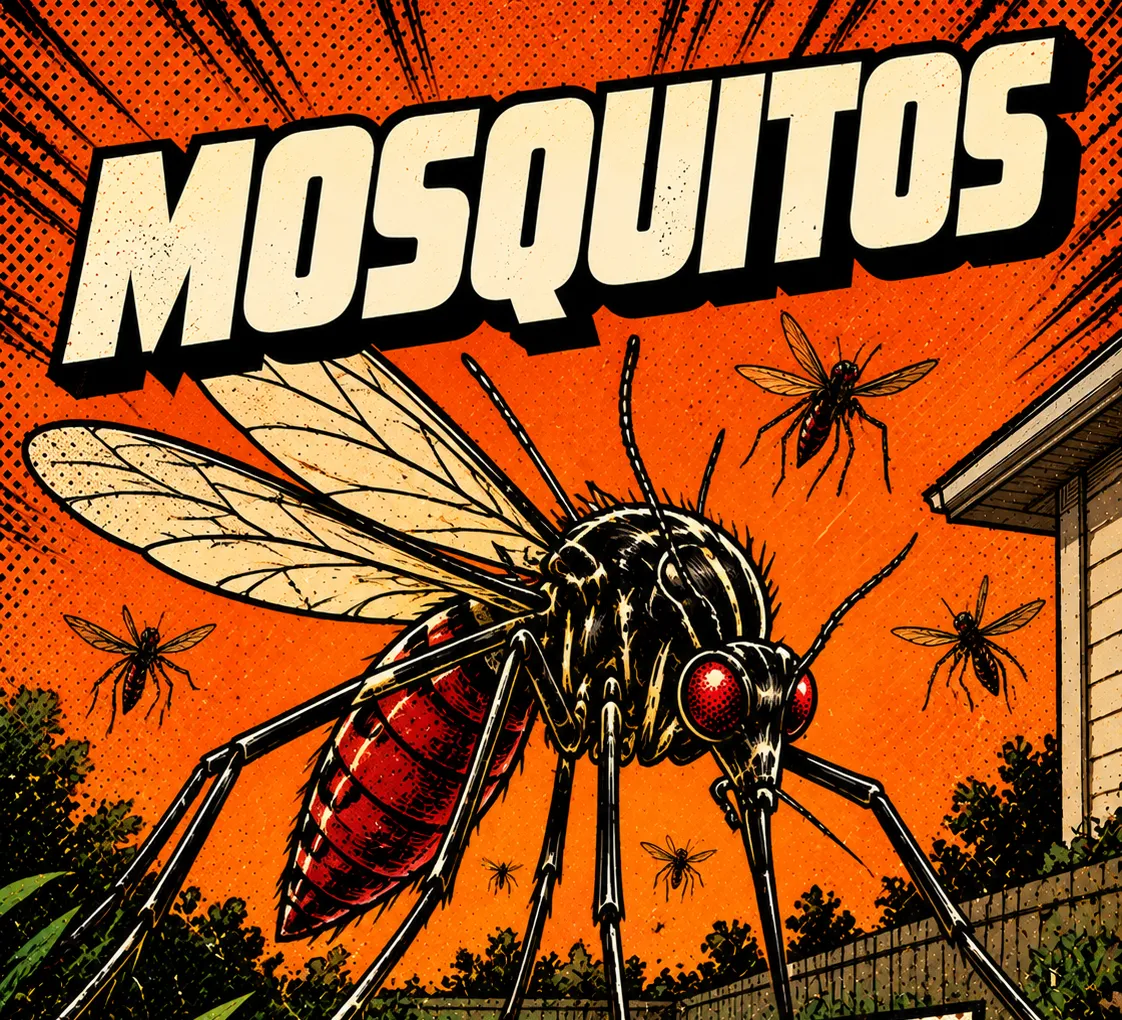
Something else bugging you? We've got them covered too.

Ready to call in the heroes?
Your home.Our mission.
Tell us what's bugging you.
We'll take it from here.
Pests don't stand a chance.