Pest guide: wasps and hornets
WaspControl.
A wasp nest by the front door, under the eaves or in the kids’ play set turns your own yard into a no-go zone. We take out nests safely, at the right time of day, and help keep new ones from showing up.
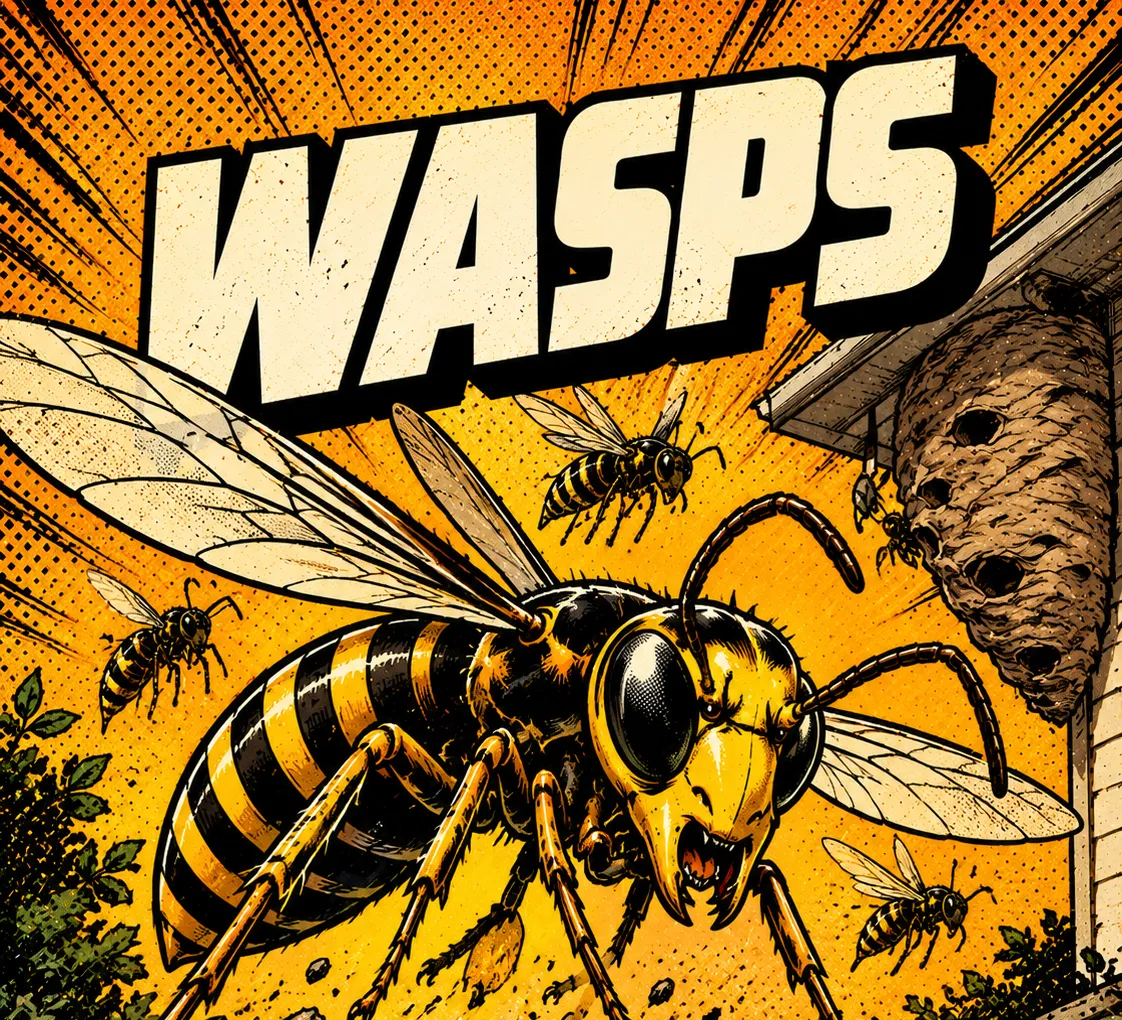
Know your enemy
The wasps you'll seeOut West.
Western yellowjacket
Yellow and black, stout and smooth, sometimes called a "meat bee." Usually nests in old rodent holes in the ground, sometimes inside walls. Defends its nest hard.
German yellowjacket
Looks similar and is more and more common in California cities. Likes to build its nest inside walls, attics and other parts of houses.
Paper wasps
Slender, with long legs that dangle when they fly. Build open, umbrella-shaped nests under eaves, decks and play sets. Much less aggressive than yellowjackets.
Hornets
Including the black-and-white baldfaced hornet. Build enclosed gray paper nests in trees, shrubs and under eaves.
Heads upWasp stings hurt, and for anyone who is allergic they can be life-threatening. Many stings at once can be dangerous for anybody. Ground and wall nests are the riskiest to deal with yourself. If anyone in your home is allergic, please do not try to remove a nest. Call us.
Why they move in
What brings themInside.
Each spring a queen starts a new nest, and it grows all summer, which is why wasps seem to get worse every week. By late summer, yellowjackets switch to scavenging for meat and sweets, so they crash barbecues, open soda cans, garbage and fallen fruit. In much of the country colonies die off in winter, but along the California coast some yellowjacket nests survive mild winters and keep growing.
Worst late summer and fall
The Redwood way
How we handleWasps.
Find every nest
We locate the nests around your home, including hidden ones in walls and the ground, and identify which wasp you are dealing with.
Treat at the right time
Nests are treated early in the morning or in the evening, when the wasps are home and calm, using the right treatment for each kind of nest.
Remove the nest
Once the colony is done, we take down the nests we can reach so the spot is not reused.
Stop the next one
Regular service checks eaves and other favorite nesting spots, so new nests get handled while they are still small.
Our promise: if they come back between scheduled visits, so do we, at no extra charge.
Get a free quoteYour part
What you can doBetween visits.
- Check eaves, decks and play sets in spring, while nests are still tiny
- Keep lids on trash cans and cover food and drinks outdoors
- Pick up fallen fruit under trees
- Do not leave pet food outside
- Fill in old rodent holes in the lawn and seal gaps in siding
- Never plug a nest entrance: trapped wasps can chew their way into your house
Small habits. Fewer bad guys.
Straight answers
Wasp questionsWe get a lot.
Can I remove a wasp nest myself?
A tiny paper wasp nest, maybe, if you are not allergic, wear protective clothing and do it early in the morning. Yellowjacket nests in the ground or walls, and hornet nests, are a real stinging risk. University of California experts say it is easiest and safest to call a professional for those.
Should I plug the hole they are using?
No. If you block the entrance, the wasps may chew a new way out, and that new way can lead into your house.
Why are wasps so bad in late summer?
By late summer the colonies are at their biggest, sometimes thousands of wasps, and the workers are hunting for sugar and meat, so they swarm food, drinks and garbage.
Is it a wasp or a honey bee?
Honey bees are fuzzy, golden-brown and rarely sting unless stepped on or trapped. Yellowjackets are smooth, shiny and bright yellow and black. If it is a honey bee swarm, a beekeeper can often relocate it.
Know your enemy
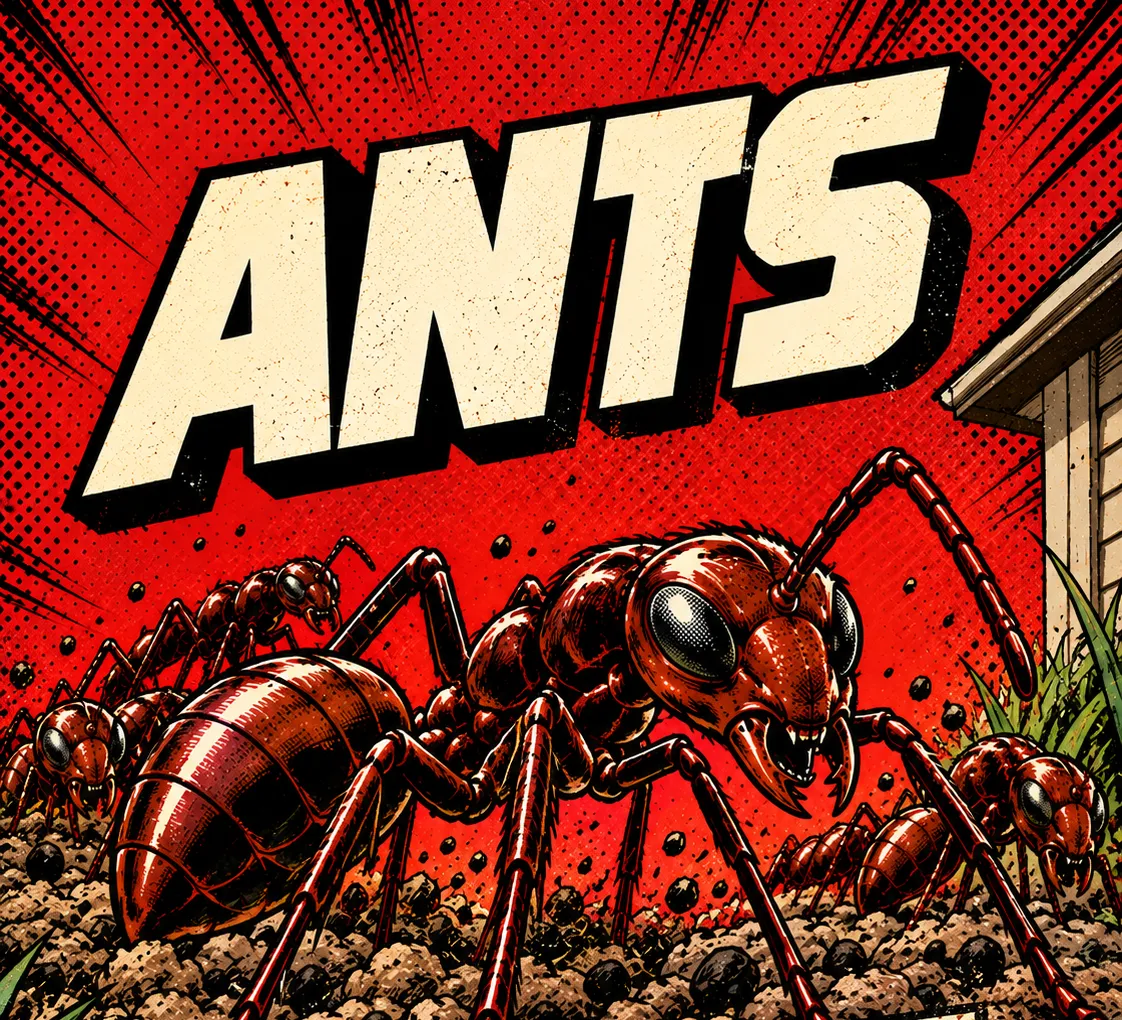
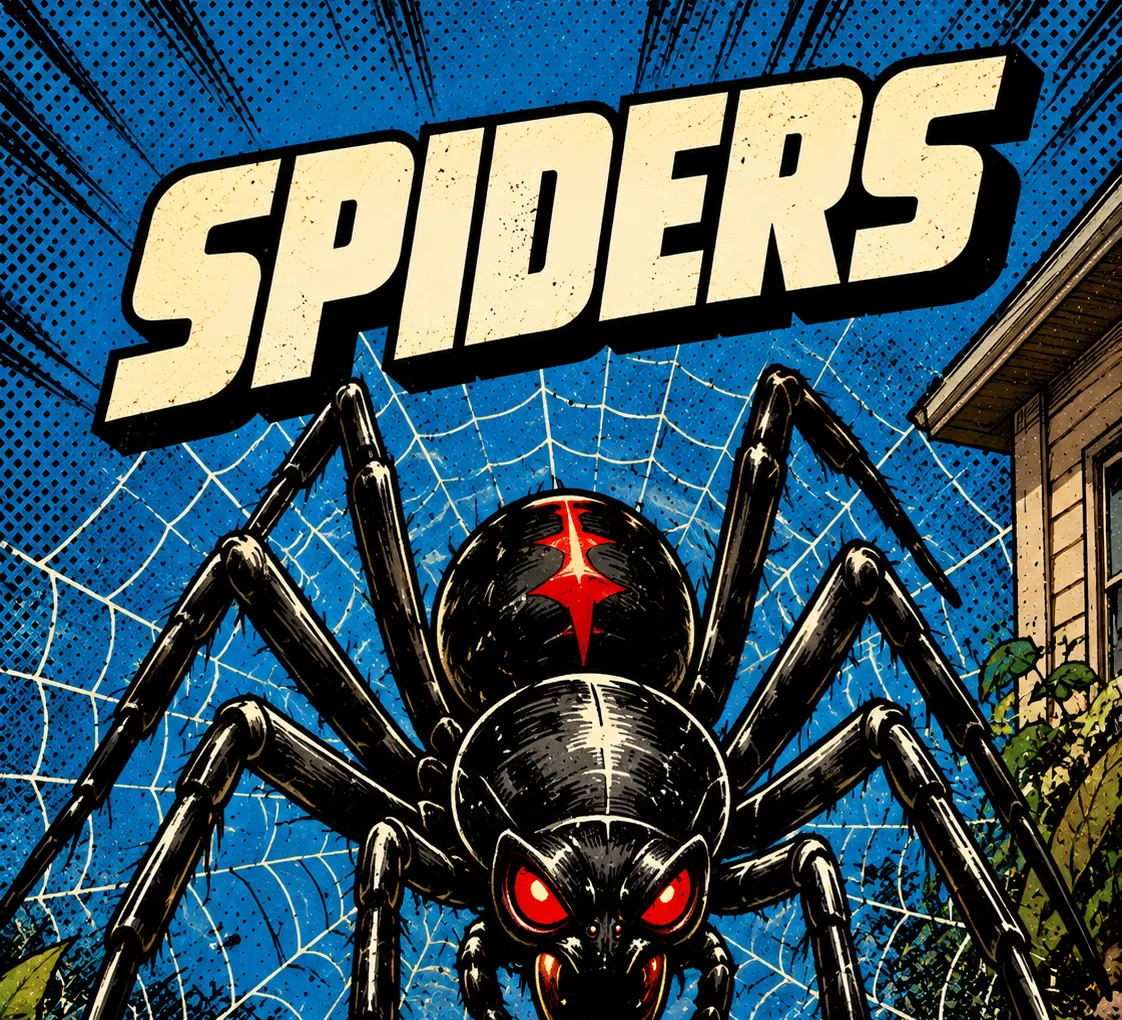
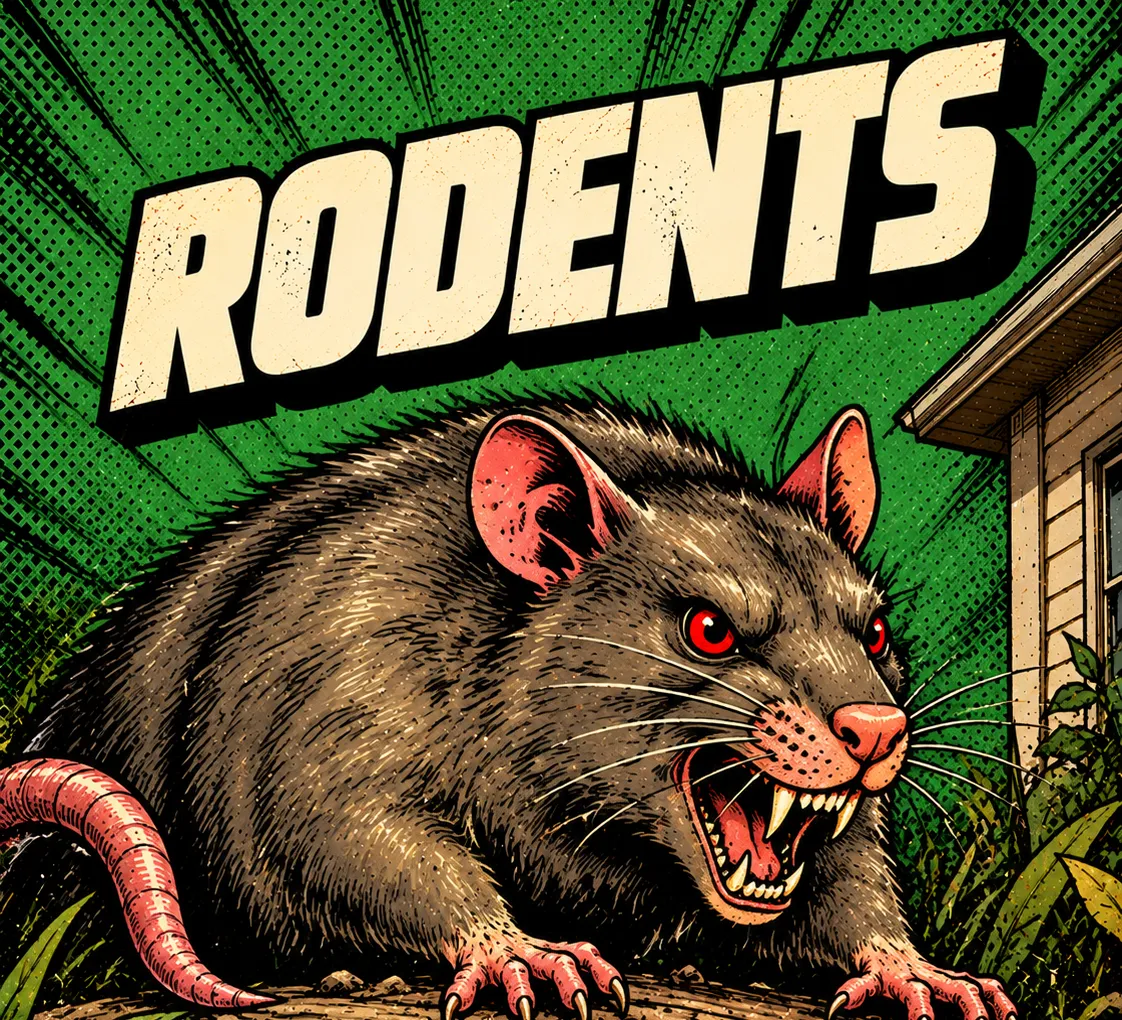
Meet the restOf the gang.
Something else bugging you? We've got them covered too.
Ready to call in the heroes?
Your home.Our mission.
Tell us what's bugging you.
We'll take it from here.
Pests don't stand a chance.